
Your plan should carry
your wishes forward
RetirePath has teamed up with Attorney JJ Childers of Barrister Advisors LLC to provide revocable living trust based estate plans that help you avoid probate and better preserve your estate for your heirs and beneficiaries.

Your estate planning documents are prepared by JJ Childers, Esq., LL.M., a licensed attorney with 25 years of practice in estate planning, asset protection and business law. Your RetirePath advisor stays with you from your first conversation through your signing appointment.
Where are you in the process?
This site walks you from your first questions all the way to a fully funded trust. Pick the step that fits where you are today.
Learn how a living trust works
What a trust does, how it differs from a will, and what Arkansas probate looks like without one.
Understanding trusts → Getting startedComplete your questionnaire
Share your family, decision makers and assets before your consultation call. You can save and finish later.
Open the questionnaire → Questionnaire receivedGet your property details ready
We have your questionnaire (reference ). If you own real estate, make sure we have each property's legal description.
Find your legal description → Documents signedFund your trust
A step-by-step checklist for moving your accounts and property into your trust so it works the way it should.
Funding checklist →Keep your family out of probate court
When someone in Arkansas dies with only a will, or with no plan at all, their property usually passes through probate: a court-supervised process in the county circuit court. Probate takes time, costs money, and makes your estate a matter of public record.
A revocable living trust lets the people you choose step in and carry out your wishes privately, without waiting on a judge. You keep full control during your lifetime and can change the trust whenever you like.
From questionnaire to signing in a few weeks
Once you've provided everything we need, your documents are typically ready in 2 to 3 weeks. You sign at your RetirePath office in Little Rock or Rogers.
How a living trust protects your family
A plain-language guide to the plan you're putting in place, what's included, and the decisions you'll make along the way.
What is a revocable living trust?
A revocable living trust is a legal arrangement you create during your lifetime to hold your property. You (and your spouse, if married) typically serve as your own trustees, so you keep complete control: you can buy, sell, spend, and change the trust at any time. That's what "revocable" means.
The trust document also names who takes over if you become unable to manage your affairs, and who receives your property, how and when, after you're gone. Because the trust owns the assets, they don't have to pass through probate.
The key is funding: a trust only controls property that has been titled in its name or that names it as beneficiary. Learn about funding →
Grantor (also called settlor or trustor): you, the person who creates the trust.
Trustee: manages the trust property. Usually you, while you're living and able.
Successor trustee: steps in if you become incapacitated or pass away.
Beneficiaries: the people or organizations who receive the trust property.
Contingent beneficiary: receives a share if a primary beneficiary dies before you.
Will-only plan vs. living trust plan
| Will only | Funded living trust | |
|---|---|---|
| Goes through probate court | Yes | No, for trust property |
| Time before heirs receive property | Often 6 to 12+ months | Often weeks, depending on the assets |
| Privacy | Public court record | Private |
| Plans for your incapacity | No. A court-supervised guardianship may be needed | Yes. Your successor trustee steps in |
| Staggered or protected inheritances | Limited | Yes. For example, distributions at ages 25, 30 and 35 |
| Property in other states | May need a second probate there | Avoided when titled to the trust |
| Can be changed during your life | Yes | Yes |
What's in your estate planning portfolio
Your plan is more than a trust. Each document has a specific job.
Revocable Living Trust
The core of your plan. Holds your property, names your successor trustees, and spells out who inherits, how, and when.
Pour-Over Will
A safety net that directs any property left outside the trust into it. Property that passes under the will may still need probate, which is why funding matters.
Financial Power of Attorney
Names someone to handle financial and legal matters outside the trust (taxes, retirement accounts, government benefits) if you can't.
Medical Power of Attorney
Names the person who speaks with your doctors and makes healthcare decisions when you can't communicate your wishes.
Healthcare Directive (Living Will)
States your wishes about life-sustaining treatment so your family doesn't have to guess.
HIPAA Authorization
Lets the people you name receive your medical information, which they often need before they can help.
Deed to Your Residence
Transfers your personal residence into your trust. Deeds for additional properties are available for an additional fee. Details →
Assignment of Personal Property
Transfers household goods, furniture, jewelry and other untitled belongings to your trust.
Assignment of Business Interests
Transfers your ownership in an LLC, corporation or partnership to your trust, if you own a business.
Certification of Trust
A short summary you can give banks and brokerages to prove the trust exists without handing over the full document.
Choosing the right people
These are the questions clients think about most while completing the questionnaire. You don't need perfect answers before your consultation; we'll talk them through.
Successor trustee
Choose someone organized, trustworthy and willing to follow instructions. They don't need financial expertise, since they can hire professionals. For married couples, the surviving spouse normally continues as trustee, so this choice takes over after both of you. Name at least one backup.
Financial power of attorney
This person handles your affairs while you're living but unable to act. Many clients name the same person as their successor trustee so one person can coordinate everything. Pick someone who lives close enough to deal with banks and paperwork.
Medical power of attorney
Pick the person who knows your values and can stay calm under pressure in a hospital setting. Tell them your wishes now. The best choice is not always the oldest child or the closest relative.
Guardians for minor children
Consider values, parenting style, age and health, stability, and whether your children would have to move. The guardian raises your children; the trustee manages their money. These can be different people.
Dividing your estate
The most common choice is equal shares to your children, with a deceased child's share going to that child's own children. You can also leave specific gifts, include charities, or treat a beneficiary differently when there's a good reason.
Conditions and timing
You can hold an inheritance in trust and release it over time, such as one-third at 25, one-third at 30 and the rest at 35. A child with special needs can be provided for in a way designed to protect eligibility for government benefits.
What happens, and when
Every step from your first meeting to a fully funded trust. Your RetirePath representative coordinates scheduling throughout.
Meet with your RetirePath advisor
You + RetirePathYour advisor explains the estate planning service, answers questions about cost, and gets you started. All engagement and fee questions are handled through RetirePath.
Complete the questionnaire
YouAt your own paceFill out the online questionnaire. You can save and come back. If you're unsure about an answer, mark it and keep going; we'll cover it on the call.
Schedule your consultation call
You + RetirePathYour RetirePath representative works with you to choose a time for your call with JJ.
Consultation call with JJ Childers
You + JJBy phoneWe review your questionnaire, answer your questions, and finalize the design of your plan: who's in charge, who inherits, and any conditions or timing for distributions.
Send any remaining information
YouMost often this is the legal description for your real estate. Drafting begins once everything is in.
Documents are prepared
JJTypically 2–3 weeksYour documents are drafted after all requested information has been received. RetirePath then contacts you to schedule your signing.
Signing appointment
You + RetirePathLittle Rock or Rogers officeCome to your RetirePath office to sign and notarize your documents. Bring a current government-issued photo ID. If you're married, both spouses attend. You leave with your estate planning portfolio.
Record your deed and fund your trust
YouRecord your deed with the county, then use the documents in your portfolio and our funding checklist to move accounts and property into your trust and update beneficiary designations.
Keep it current
YouOngoingA plan is not a one-time shot. Review it after marriage, divorce, a death in the family, a new grandchild, a move, or a major change in assets.
The two things that most affect your timeline are completing the questionnaire and providing your property's legal description. Once we have everything, documents are typically ready in 2 to 3 weeks.
Government-issued photo ID for each person signing, your spouse (if married), and any questions you've written down. Plan for about an hour.
Reference . You're at step 3: your RetirePath representative will contact you to schedule your consultation call.
Moving your home into your trust
Your plan includes a deed transferring your personal residence to your trust. Here's what we need from you before drafting, and what you need to do after signing.
One deed transferring your personal residence into your trust.
Deeds for additional properties (a second home, rental, land or other real estate) are available for an additional fee. Your RetirePath representative can tell you more.
You are responsible for providing the complete legal description for every property you want transferred to your trust. We can't prepare a deed without it, and an incorrect description can cause title problems later. The street address alone is not enough.
What is a legal description?
A legal description is the official, written identification of a parcel of land used in recorded deeds. In Arkansas it usually takes one of two forms:
- Lot and block, for property in a platted subdivision: the lot number, block, subdivision name, and the county where the plat is recorded.
- Metes and bounds or section, township and range, common for rural land: a description of boundaries using directions, distances and survey references.
It needs to be copied exactly, word for word, including any exceptions or easements listed with it.
Where to find it
- Your current deed. Look in the closing packet from when you bought the property for the recorded warranty deed. The legal description is in the body of the deed, often labeled "described as follows" or in an "Exhibit A."
- Your owner's title insurance policy. Schedule A of the policy usually repeats the full legal description.
- The county records. Deeds are recorded with the Circuit Clerk (ex officio Recorder) in the county where the property sits. Many Arkansas counties offer online record searches, or you can request a copy in person or by phone.
- The title company that handled your closing can often email you a copy of your recorded deed.
Your property tax statement and the county assessor's parcel listing often show an abbreviated description. Please send the full description from the recorded deed.
How to send it to us
- Upload it in the questionnaire. In the Real Estate section, attach a copy or clear photo of your recorded deed for each property. This is the easiest option.
- Or type it in. Copy the legal description exactly into the field provided for that property.
- Or send it later to your RetirePath representative. Drafting begins once we have descriptions for all properties.
After you sign: recording your deed
- You are responsible for recording your deed. The transfer isn't complete until the signed deed is recorded with the Circuit Clerk (ex officio Recorder) in the county where the property is located.
- Take or mail the original signed deed to that county's Circuit Clerk. Call ahead or check the county's website for the current recording fee and any forms they require with the deed.
- The original deed is returned to you after recording. Keep it with your estate planning portfolio.
- Contact your homeowner's insurance agent and ask them to add your trust as an additional insured on the policy.
- Check with your county assessor that your homestead property tax credit remains in place after the transfer.
- Transferring your residence to your own revocable trust generally doesn't trigger a mortgage due-on-sale clause under federal law. Keep making your payments as usual.
A trust only protects what it owns
Funding means putting your property into your trust or pointing it there by beneficiary designation. An unfunded trust can leave your family in probate anyway. Work through this checklist after your signing appointment.
Most banks and brokerages will ask for it. It proves your trust exists and who the trustees are, without sharing private details.
Funding videos
Common questions
Answers to the questions that come up most often during the process. If yours isn't here, ask your RetirePath representative or bring it to your consultation call.
No questions match that search.
Who's helping you
RetirePath advisors guide you through the process. Your legal documents are prepared by Attorney JJ Childers of Barrister Advisors LLC.
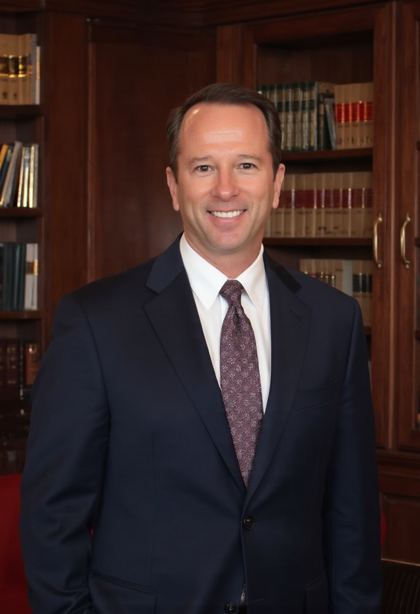
JJ Childers, Esq., LL.M.
JJ Childers helps families, entrepreneurs, small business owners and investors design and structure protection plans for safeguarding their assets without the confusion, complication and cost often associated with the process.
He is a licensed attorney who has practiced law for the past 25 years in the areas of asset protection, estate planning and business law. In addition to his law degree, he earned his LL.M. in Dispute Resolution from the Straus Institute at Pepperdine University's Caruso School of Law. He completed the Certified Mediation training program through the Arkansas Dispute Resolution Commission, along with advanced negotiation and dispute resolution training at the Program on Negotiation at Harvard Law School.
He is the author of numerous books, courses and training programs, and a sought-after speaker on legal protection planning.

Dale Colclasure Jr.
Dale has always had a solid work ethic and a heart for building relationships with people. Raised in an entrepreneurial family, married for thirty years and raising four children with his wife, Amanda, he is committed to building lasting relationships. After years in the corporate world, Dale was introduced to financial planning through a friend in the industry and found his calling in helping others.

Mark Smalling
Mark initially studied pre-law, but an internship at a large financial firm changed the course of his career. He and Dale built a professional relationship referring clients to each other for their different specialties, then combined their strengths under one roof to found RetirePath with the shared goal of helping others achieve their financial dreams.
11300 N. Rodney Parham Rd., Ste. 120
Little Rock, AR 72212
5310 W. Village Parkway, Suite 1
Rogers, AR 72758
RetirePath: 501-904-5858 · info@retirepath.net
Tell us about your family and your wishes
This information prepares us for your consultation call. If you're unsure about anything, don't let it stop you. Mark it and we'll help you with it during the consultation.